The Role of Non-Coding RNAs in Chemoresistance to Cancer Therapies
Keywords:
Cancer therapy, circRNAs, Drug resistance, lncRNAs, miRNAs, Non-coding RNAsAbstract
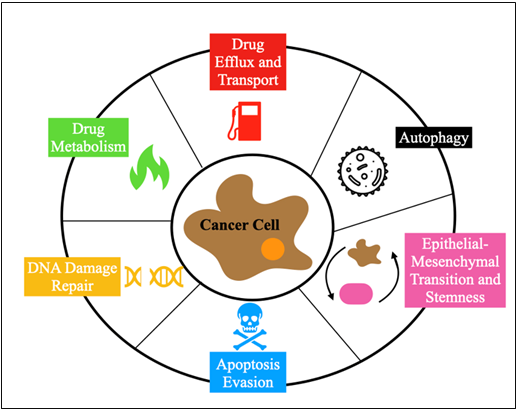
Chemoresistance remains one of the greatest challenges in modern oncology and is responsible for most cancer-related deaths. Growing evidence has identified non-coding RNAs (ncRNAs) as key regulators of resistance to anticancer therapy. These molecules influence a wide range of classical resistance mechanisms, including drug efflux, apoptosis evasion, epithelial–mesenchymal transition, enhanced DNA repair, altered drug metabolism, and autophagy. The growing understanding of ncRNA biology has created new opportunities for clinical translation. Non-coding RNAs show considerable promise as predictive biomarkers of treatment response and as therapeutic targets, several of which have already entered early-phase clinical evaluation. Nevertheless, significant challenges remain, including efficient and selective delivery, off-target effects, tumor heterogeneity, and redundancy in ncRNA regulatory networks.
Downloads
References
Bray F, Laversanne M, Sung H, Ferlay J, Siegel RL, Soerjomataram I, et al. Global cancer statistics 2022: GLOBOCAN estimates of incidence and mortality worldwide for 36 cancers in 185 countries. CA Cancer J Clin. 2024;74(3):229–263. doi: 10.3322/caac.21834.
Chen S, Cao Z, Prettner K, Kuhn M, Yang J, Jiao L, et al. Estimates and projections of the global economic cost of 29 cancers in 204 countries and territories from 2020 to 2050. JAMA Oncol. 2023;9(4):465. doi: 10.1001/jamaoncol.2022.7826.
DeVita VT, Chu E. A history of cancer chemotherapy. Cancer Res. 2008;68(21):8643–8653. doi: 10.1158/0008-5472.can-07-6611.
Anand U, Dey A, Chandel AKS, Sanyal R, Mishra A, Pandey DK, et al. Cancer chemotherapy and beyond: Current status, drug candidates, associated risks and progress in targeted therapeutics. Genes Dis. 2023;10(4):1367–1401. doi: 10.1016/j.gendis.2022.02.007.
Zhang WY, Yang LY, Fan XX. CAR-T therapy-based innovations in the enhancement of contemporary anti-tumor therapies. Front Immunol. 2025;16. doi: 10.3389/fimmu.2025.1622433.
Kale E, Guzes E, Alatas F, Sharafi P. Next-generation cancer therapies: translating experimental advances into clinical practice. Postgrad Med J. 2026;102(1208):497–510. doi: 10.1093/postmj/qgaf242.
Tfayli AH, El‐Halabi LN, Khuri FR. Global disparities in cancer care: Bridging the gap in affordability and access to medications between high and low‐income countries. Cancer. 2024;131(1). doi: 10.1002/cncr.35590.
Hofmarcher T, Charalambous A, Normanno N, Szmytke E, Wilking N. Access to novel cancer medicines in Europe: inequities across countries and their drivers. ESMO Open. 2025;10(10):105810. doi: 10.1016/j.esmoop.2025.105810.
Ruge L, Verheyen M, John F, Wolf J. Global disparities in access to diagnostics and therapies for advanced non-small cell lung cancer: from discovery to delivery – a review. Front Oncol. 2026;16. doi: 10.3389/fonc.2026.1807704.
Rezayatmand H, Razmkhah M, Razeghian-Jahromi I. Drug resistance in cancer therapy: the Pandora’s Box of cancer stem cells. Stem Cell Res Ther. 2022;13(1). doi: 10.1186/s13287-022-02856-6.
Dhiman VK, Kumari M, Singh D. Chemoresistance: The hidden barrier in cancer treatment. Cancer Pathogenesis Ther. 2026;4(2):98–109. doi: 10.1016/j.cpt.2025.07.001.
Cetin R, Quandt E, Kaulich M. Functional genomics approaches to elucidate vulnerabilities of intrinsic and acquired chemotherapy resistance. Cells. 2021;10(2):260. doi: 10.3390/cells10020260.
Wang Q, Shen X, Chen G, Du J. Drug resistance in colorectal cancer: From mechanism to clinic. Cancers (Basel). 2022;14(12):2928. doi: 10.3390/cancers14122928.
Mo J, Zaremba A, Inderjeeth AJ, el Zeinaty P, Li A, Wicky A, et al. Clinical outcomes and management following progressive disease with anti-PD-(L)1 therapy in patients with advanced Merkel Cell Carcinoma. Eur J Cancer. 2025;217:115254. doi: 10.1016/j.ejca.2025.115254.
Sun D, Bo L, Jiang C, Lan Y, Zhang B, Zhang C, et al. Beyond the boundary: The emerging roles of ATP-binding cassette transporters in multidrug resistance (MDR) and therapeutic targeting in cancer. Drug Resist Updates. 2026;84:101310. doi: 10.1016/j.drup.2025.101310.
Fulda S. Evasion of apoptosis as a cellular stress response in cancer. Int J Cell Biol. 2010;2010:1–6. doi: 10.1155/2010/370835.
Dart A. EMT in chemoresistance. Nat Rev Cancer. 2023;23(6):349–349. doi: 10.1038/s41568-023-00581-7.
Nesic K, Parker P, Swisher EM, Krais JJ. DNA repair and the contribution to chemotherapy resistance. Genome Med. 2025;17(1). doi: 10.1186/s13073-025-01488-8.
Chen X, Chen S, Yu D. Metabolic reprogramming of chemoresistant cancer cells and the potential significance of metabolic regulation in the reversal of cancer chemoresistance. Metabolites. 2020;10(7):289. doi: 10.3390/metabo10070289.
Li X, Zhou Y, Li Y, Yang L, Ma Y, Peng X, et al. Autophagy: A novel mechanism of chemoresistance in cancers. Biomed Pharmacother. 2019;119:109415. doi: 10.1016/j.biopha.2019.109415.
Zhou X, Ao X, Jia Z, Li Y, Kuang S, Du C, et al. Non-coding RNA in cancer drug resistance: Underlying mechanisms and clinical applications. Front Oncol. 2022;12. doi: 10.3389/fonc.2022.951864.
Bartel DP. MicroRNAs. Cell. 2004;116(2):281–297. doi: 10.1016/s0092-8674(04)00045-5.
Peng Y, Croce CM. The role of MicroRNAs in human cancer. Signal Transduct Target Ther. 2016;1(1). doi: 10.1038/sigtrans.2015.4.
Dexheimer PJ, Cochella L. MicroRNAs: From mechanism to organism. Front Cell Dev Biol. 2020;8. doi: 10.3389/fcell.2020.00409.
Han J, Lee Y, Yeom KH, Kim YK, Jin H, Kim VN. The Drosha-DGCR8 complex in primary microRNA processing. Genes Dev. 2004;18(24):3016–3027. doi: 10.1101/gad.1262504.
Vergani-Junior CA, Tonon-da-Silva G, Inan MD, Mori MA. DICER: structure, function, and regulation. Biophys Rev. 2021;13(6):1081–1090. doi: 10.1007/s12551-021-00902-w.
Dueck A, Ziegler C, Eichner A, Berezikov E, Meister G. microRNAs associated with the different human Argonaute proteins. Nucleic Acids Res. 2012;40(19):9850–9862. doi: 10.1093/nar/gks705.
Pekarek L, Torres-Carranza D, Fraile-Martinez O, García-Montero C, Pekarek T, Saez MA, et al. An overview of the role of microRNAs on carcinogenesis: A focus on cell cycle, angiogenesis and metastasis. Int J Mol Sci. 2023;24(8):7268. doi: 10.3390/ijms24087268.
Ding S, Wang P. The life of microRNAs: Biogenesis, function and decay in cancer. Biomolecules. 2025;15(10):1393. doi: 10.3390/biom15101393.
Dragomir MP, Knutsen E, Calin GA. Classical and noncanonical functions of miRNAs in cancers. Trend Genet. 2022;38(4):379–394. doi: 10.1016/j.tig.2021.10.002.
Conn VM, Chinnaiyan AM, Conn SJ. Circular RNA in cancer. Nat Rev Cancer. 2024;24(9):597–613. doi: 10.1038/s41568-024-00721-7.
Hussen BM, Abdullah SR, Jaafar RM, Rasul MF, Aroutiounian R, Harutyunyan T, et al. Circular RNAs as key regulators in cancer hallmarks: New progress and therapeutic opportunities. Crit Rev Oncol Hematol. 2025;207:104612. doi: 10.1016/j.critrevonc.2024.104612.
Guo Y, Huang Q, Heng Y, Zhou Y, Chen H, Xu C, et al. Circular RNAs in cancer. MedComm (Beijing). 2025;6(2). doi: 10.1002/mco2.70079.
Shafaghat Z, Radmehr S, Saharkhiz S, Khosrozadeh A, Feiz K, Alkhathami AG, et al. Circular RNA, a molecule with potential chemistry and applications in RNA-based cancer therapeutics: An insight into recent advances. Top Curr Chem. 2025;383(2). doi: 10.1007/s41061-025-00505-z.
Kumar L, Shamsuzzama, Haque R, Baghel T, Nazir A. Circular RNAs: The emerging class of non-coding RNAs and their potential role in human neurodegenerative diseases. Mol Neurobiol. 2016;54(9):7224–7234. doi: 10.1007/s12035-016-0213-8.
Sakshi S, Jayasuriya R, Ganesan K, Xu B, Ramkumar KM. Role of circRNA-miRNA-mRNA interaction network in diabetes and its associated complications. Mol Ther Nucleic Acids. 2021;26:1291–302. doi: 10.1016/j.omtn.2021.11.007.
Guo Z, Cao Q, Zhao Z, Song C. Biogenesis, features, functions, and disease relationships of a specific circular RNA: CDR1as. Aging Dis. 2020;11(4):1009. doi: 10.14336/ad.2019.0920.
Chen J, Yang J, Fei X, Wang X, Wang K. CircRNA ciRS-7: A novel oncogene in multiple cancers. Int J Biol Sci. 2021;17(1):379–3789. doi: 10.7150/ijbs.54292.
Holdt LM, Stahringer A, Sass K, Pichler G, Kulak NA, Wilfert W, et al. Circular non-coding RNA ANRIL modulates ribosomal RNA maturation and atherosclerosis in humans. Nat Commun. 2016;7(1). doi: 10.1038/ncomms12429.
He L, Man C, Xiang S, Yao L, Wang X, Fan Y. Circular RNAs’ cap-independent translation protein and its roles in carcinomas. Mol Cancer. 2021;20(1). doi: 10.1186/s12943-021-01417-4.
Zhou WY, Cai ZR, Liu J, Wang DS, Ju HQ, Xu RH. Circular RNA: metabolism, functions and interactions with proteins. Mol Cancer. 2020;19(1). doi: 10.1186/s12943-020-01286-3.
Hashemi M, Khosroshahi EM, Daneii P, Hassanpoor A, Eslami M, Koohpar ZK, et al. Emerging roles of CircRNA-miRNA networks in cancer development and therapeutic response. Noncoding RNA Res. 2025;10:98–115. doi: 10.1016/j.ncrna.2024.09.006.
Mattick JS, Amaral PP, Carninci P, Carpenter S, Chang HY, Chen LL, et al. Long non-coding RNAs: definitions, functions, challenges and recommendations. Nat Rev Mol Cell Biol. 2023;24(6):430–447. doi: 10.1038/s41580-022-00566-8.
Zhang X, Wang W, Zhu W, Dong J, Cheng Y, Yin Z, et al. Mechanisms and functions of long non-coding RNAs at multiple regulatory levels. Int J Mol Sci. 2019;20(22):5573. doi: 10.3390/ijms20225573.
Hu G, Niu F, Humburg BA, Liao K, Bendi S, Callen S, et al. Molecular mechanisms of long noncoding RNAs and their role in disease pathogenesis. Oncotarget. 2018;9(26):18648–18663. doi: 10.18632/oncotarget.24307.
Noh JH, Kim KM, McClusky WG, Abdelmohsen K, Gorospe M. Cytoplasmic functions of long noncoding RNAs. WIREs RNA. 2018;9(3). doi: 10.1002/wrna.1471.
Begicevic RR, Falasca M. ABC Transporters in cancer stem cells: Beyond chemoresistance. Int J Mol Sci. 2017;18(11):2362. doi: 10.3390/ijms18112362.
Huang J, Ecker GF. A structure-based view on ABC-transporter linked to multidrug resistance. Molecules. 2023;28(2):495. doi: 10.3390/molecules28020495.
Ebrahimnezhad M, Asl SH, Rezaie M, Molavand M, Yousefi B, Majidinia M. lncRNAs: New players of cancer drug resistance via targeting ABC transporters. IUBMB Life. 2024;76(11):883–921. doi: 10.1002/iub.2888.
Haenisch S, Werk AN, Cascorbi I. MicroRNAs and their relevance to ABC transporters. Br J Clin Pharmacol. 2014;77(4):587–596. doi: 10.1111/bcp.12251.
Zhu H, Wu H, Liu X, Evans BR, Medina DJ, Liu CG, et al. Role of microRNA miR-27a and miR-451 in the regulation of MDR1/p-glycoprotein expression in human cancer cells. Biochem Pharmacol. 2008;76(5):582–588. doi: 10.1016/j.bcp.2008.06.007.
Li G, Gong J, Cao S, Wu Z, Cheng D, Zhu J, et al. The non-coding RNAs inducing drug resistance in ovarian cancer: A new perspective for understanding drug resistance. Front Oncol. 2021;11. doi: 10.3389/fonc.2021.742149.
Ghafouri-Fard S, Shoorei H, Abak A, Abbas Raza SH, Pichler M, Taheri M. Role of non-coding RNAs in modulating the response of cancer cells to paclitaxel treatment. Biomed Pharmacother. 2021;134:111172. doi: 10.1016/j.biopha.2020.111172.
Gao M, Miao L, Liu M, Li C, Yu C, Yan H, et al. miR-145 sensitizes breast cancer to doxorubicin by targeting multidrug resistance-associated protein-1. Oncotarget. 2016;7(37):59714–59726. doi: 10.18632/oncotarget.10845.
Bendoraite A, Knouf EC, Garg KS, Parkin RK, Kroh EM, O’Briant KC, et al. Regulation of miR-200 family microRNAs and ZEB transcription factors in ovarian cancer: Evidence supporting a mesothelial-to-epithelial transition. Gynecol Oncol. 2010;116(1):117–125. doi: 10.1016/j.ygyno.2009.08.009.
Cittelly DM, Dimitrova I, Howe EN, Cochrane DR, Jean A, Spoelstra NS, et al. Restoration of miR-200c to ovarian cancer reduces tumor burden and increases sensitivity to paclitaxel. Mol Cancer Ther. 2012;11(12):2556–2565. doi: 10.1158/1535-7163.mct-12-0463.
Chawra HS, Agarwal M, Mishra A, Chandel SS, Singh RP, Dubey G, et al. MicroRNA-21’s role in PTEN suppression and PI3K/AKT activation: Implications for cancer biology. Pathol Res Pract. 2024;254:155091. doi: 10.1016/j.prp.2024.155091.
Ghafouri-Fard S, Khoshbakht T, Taheri M, Jamali E. A concise review on the role of circPVT1 in tumorigenesis, drug sensitivity, and cancer prognosis. Front Oncol. 2021;11. doi: 10.3389/fonc.2021.762960.
Zhang X, Luo M, Zhang J, Guo B, Singh S, Lin X, et al. The role of lncRNA H19 in tumorigenesis and drug resistance of human cancers. Front Genet. 2022;13. doi: 10.3389/fgene.2022.1005522.
Al-Janabi II. Manipulating Cell Death in Cancer. Al-Rafidain J Med Sci. 2025;9(1):63–73. doi: 10.54133/ajms.v9i1.2131.
Villanova L, Careccia S, de Maria R, Fiori M. Micro-economics of apoptosis in cancer: ncRNAs modulation of BCL-2 family members. Int J Mol Sci. 2018;19(4):958. doi: 10.3390/ijms19040958.
Svoronos AA, Engelman DM, Slack FJ. OncomiR or tumor suppressor? The duplicity of microRNAs in cancer. Cancer Res. 2016;76(13):3666–3670. doi: 10.1158/0008-5472.can-16-0359.
Rahmati Y, Asemani Y, Aghamiri S, Ezzatifar F, Najafi S. CiRS-7/CDR1as; An oncogenic circular RNA as a potential cancer biomarker. Pathol Res Pract. 2021;227:153639. doi: 10.1016/j.prp.2021.153639.
Hou J, Zhang G, Wang X, Wang Y, Wang K. Functions and mechanisms of lncRNA MALAT1 in cancer chemotherapy resistance. Biomark Res. 2023;11(1). doi: 10.1186/s40364-023-00467-8.
Ribatti D, Tamma R, Annese T. Epithelial-mesenchymal transition in cancer: A historical overview. Transl Oncol. 2020;13(6):100773. doi: 10.1016/j.tranon.2020.100773.
Al-Janabi I. Epithelial-mesenchymal transition and tumour progression: An overview. Al-Rafidain J Med Sci. 2023;4:6–21. doi: 10.54133/ajms.v4i.99.
Du B, Shim J. Targeting epithelial–mesenchymal transition (EMT) to overcome drug resistance in cancer. Molecules. 2016;21(7):965. doi: 10.3390/molecules21070965.
Ghorbian S. Cancer cell plasticity and therapeutic resistance: mechanisms, crosstalk, and translational perspectives. Hereditas. 2025;162(1). doi: 10.1186/s41065-025-00564-8.
Korpal M, Kang Y. The emerging role of miR-200 family of MicroRNAs in epithelial-mesenchymal transition and cancer metastasis. RNA Biol. 2008;5(3):115–119. doi: 10.4161/rna.5.3.6558.
Liu J, Du H, Shi Y. Role and underlying mechanisms of miR 200 family in breast cancer (Review). Int J Oncol. 2026;68(4):1–18. doi: 10.3892/ijo.2026.5856.
Ashrafizadeh M, Ang HL, Moghadam ER, Mohammadi S, Zarrin V, Hushmandi K, et al. MicroRNAs and their influence on the ZEB family: Mechanistic aspects and therapeutic applications in cancer therapy. Biomolecules. 2020;10(7):1040. doi: 10.3390/biom10071040.
Matuszyk J. Circular RNA MALAT1 as a potential target for antimetastatic therapy. Noncoding RNA Res. 2026;17:12–20. doi: 10.1016/j.ncrna.2025.11.004.
Hussein MA, Valinezhad K, Adel E, Munirathinam G. MALAT-1 is a key regulator of epithelial–mesenchymal transition in cancer: A potential therapeutic target for metastasis. Cancers (Basel). 2024;16(1):234. doi: 10.3390/cancers16010234.
Jiao F, Hu H, Han T, Yuan C, Wang L, Jin Z, et al. Long noncoding RNA MALAT-1 enhances stem cell-like phenotypes in pancreatic cancer cells. Int J Mol Sci. 2015;16(4):6677–6693. doi: 10.3390/ijms16046677.
van den Boogaard WMC, Komninos DSJ, Vermeij WP. Chemotherapy side-effects: Not all DNA damage is equal. Cancers (Basel). 2022;14(3):627. doi: 10.3390/cancers14030627.
Moon J, Kitty I, Renata K, Qin S, Zhao F, Kim W. DNA damage and its role in cancer therapeutics. Int J Mol Sci. 2023;24(5):4741. doi: 10.3390/ijms24054741.
Zhou J, Kang Y, Chen L, Wang H, Liu J, Zeng S, et al. The drug-resistance mechanisms of five platinum-based antitumor agents. Front Pharmacol. 2020;11. doi: 10.3389/fphar.2020.00343.
Xie X, Huang N, Zhang Y, Wei X, Gao M, Li M, et al. MiR-192-5p reverses cisplatin resistance by targeting ERCC3 and ERCC4 in SGC7901/DDP cells. J Cancer. 2019;10(4):1039–1051. doi: 10.7150/jca.25814.
Sun C, Li N, Yang Z, Zhou B, He Y, Weng D, et al. miR-9 regulation of BRCA1 and ovarian cancer sensitivity to cisplatin and PARP inhibition. JNCI: J Natl Cancer Instit. 2013;105(22):1750–1758. doi: 10.1093/jnci/djt302.
Chung YM, Park SH, Tsai WB, Wang SY, Ikeda MA, Berek JS, et al. FOXO3 signalling links ATM to the p53 apoptotic pathway following DNA damage. Nat Commun. 2012;3(1). doi: 10.1038/ncomms2008.
Kamalabadi-Farahani M, Atashi A, Eslami MM. Downregulation of circ-Foxo3 in breast cancer stem-like cells. BMC Res Notes. 2023;16(1). doi: 10.1186/s13104-023-06405-z.
Long F, Li X, Pan J, Ye H, Di C, Huang Y, et al. The role of lncRNA NEAT1 in human cancer chemoresistance. Cancer Cell Int. 2024;24(1). doi: 10.1186/s12935-024-03426-x.
Xu W, Wu Y, Zhang G. NEAT1 promotes the progression of prostate cancer by targeting the miR-582-5p/EZH2 regulatory axis. Cytotechnology. 2024;76(2):231–246. doi: 10.1007/s10616-023-00612-z.
Zhu M, Yang L, Wang X. NEAT1 Knockdown suppresses the cisplatin resistance in ovarian cancer by regulating miR-770-5p/PARP1 axis. Cancer Manag Res. 2020;12:7277–7289. doi: 10.2147/cmar.s257311.
Wu YC, Ku MH, Huang WL, Dias L, Chen CW. NEAT1 in ovarian xancer: A key regulator of tumor progression, follicular fluid dynamics, and therapeutic resistance. Anticancer Res. 2025;45(3):825–842. doi: 10.21873/anticanres.17472.
Furuta E, Okuda H, Kobayashi A, Watabe K. Metabolic genes in cancer: Their roles in tumor progression and clinical implications. Biochimica et Biophysica Acta - Rev Cancer. 2010;1805(2):141–152. doi: 10.1016/j.bbcan.2010.01.005.
Jang M, Kim SS, Lee J. Cancer cell metabolism: implications for therapeutic targets. Exp Mol Med. 2013;45(10):e45–e45. doi: 10.1038/emm.2013.85.
Zhao M, Ma J, Li M, Zhang Y, Jiang B, Zhao X, et al. Cytochrome P450 enzymes and drug metabolism in humans. Int J Mol Sci. 2021;22(23):12808. doi: 10.3390/ijms222312808.
Kural C, Kaya Kocdogan A, Şimşek GG, Oğuztüzün S, Kaygın P, Yılmaz I, et al. Glutathione S-transferases and cytochrome P450 enzyme expression in patients with intracranial tumors: Preliminary report of 55 patients. Med Principles Pract. 2018;28(1):56–62. doi: 10.1159/000494496.
Mu W, Hu C, Zhang H, Qu Z, Cen J, Qiu Z, et al. miR-27b synergizes with anticancer drugs via p53 activation and CYP1B1 suppression. Cell Res. 2015;25(4):477–495. doi: 10.1038/cr.2015.23.
Pan YZ, Gao W, Yu AM. MicroRNAs regulate CYP3A4 expression via direct and indirect targeting. Drug Metab Dispos. 2009;37(10):2112–2117. doi: 10.1124/dmd.109.027680.
Kim I, Han N, Burckart GJ, Oh JM. Epigenetic changes in gene expression for drug‐metabolizing enzymes and transporters. Pharmacotherapy. 2013;34(2):140–150. doi: 10.1002/phar.1362.
Klyushova LS, Perepechaeva ML, Grishanova AY. The role of CYP3A in health and disease. Biomedicines. 2022;10(11):2686. doi: 10.3390/biomedicines10112686.
Panda AC, Grammatikakis I, Munk R, Gorospe M, Abdelmohsen K. Emerging roles and context of circular RNAs. WIREs RNA. 2016;8(2). doi: 10.1002/wrna.1386.
Cai ZR, Hu Y, Liao K, Li H, Chen DL, Ju HQ. Circular RNAs: Emerging regulators of glucose metabolism in cancer. Cancer Lett. 2023;552:215978. doi: 10.1016/j.canlet.2022.215978.
Huang Y, He T, Zheng J, Chen J, Yang Z. Circular RNAs in metabolic health: bridging the gap between molecular biology and therapy. Cell Death Dis. 2026;17(1). doi: 10.1038/s41419-026-08450-5.
Collins JM, Wang D. Regulation of CYP3A4 and CYP3A5 by a lncRNA: a potential underlying mechanism explaining the association between CYP3A4*1G and CYP3A metabolism. Pharmacogenet Genomics. 2021;32(1):16–23. doi: 10.1097/fpc.0000000000000447.
Wu H, Liu B, Chen Z, Li G, Zhang Z. MSC-induced lncRNA HCP5 drove fatty acid oxidation through miR-3619-5p/AMPK/PGC1α/CEBPB axis to promote stemness and chemo-resistance of gastric cancer. Cell Death Dis. 2020;11(4). doi: 10.1038/s41419-020-2426-z.
Meng X, Bai X, Ke A, Li K, Lei Y, Ding S, et al. Long non-coding RNAs in drug resistance of gastric cancer: Complex mechanisms and potential clinical applications. Biomolecules. 2024;14(6):608. doi: 10.3390/biom14060608.
Havasi A, Cainap SS, Havasi AT, Cainap C. Ovarian cancer—insights into platinum resistance and overcoming it. Medicina (B Aires). 2023;59(3):544. doi: 10.3390/medicina59030544.
Al-Janabi I. The role of autophagy in the progression and treatment of tumors. Al-Rafidain J Med Sci. 2021;1:62–71. doi: 10.54133/ajms.v1i.37.
Klionsky DJ, Codogno P, Cuervo AM, Deretic V, Elazar Z, Fueyo-Margareto J, et al. A comprehensive glossary of autophagy-related molecules and processes. Autophagy. 2010;6(4):438–448. doi: 10.4161/auto.6.4.12244.
Chen W, Li Z, Liu H, Jiang S, Wang G, Sun L, et al. MicroRNA-30a targets BECLIN-1 to inactivate autophagy and sensitizes gastrointestinal stromal tumor cells to imatinib. Cell Death Dis. 2020;11(3). doi: 10.1038/s41419-020-2390-7.
Yang Y, Guo JX, Shao ZQ. miR-21 targets and inhibits tumor suppressor gene PTEN to promote prostate cancer cell proliferation and invasion: An experimental study. Asian Pac J Trop Med. 2017;10(1):87–91. doi: 10.1016/j.apjtm.2016.09.011.
Chen C, Demirkhanyan L, Gondi CS. The Multifaceted role of miR-21 in pancreatic cancers. Cells. 2024;13(11):948. doi: 10.3390/cells13110948.
Yao W, Guo P, Mu Q, Wang Y. Exosome-derived circ-PVT1 contributes to cisplatin resistance by regulating autophagy, invasion, and apoptosis via miR-30a-5p/YAP1 axis in gastric cancer cells. Cancer Biother Radiopharm. 2021;36(4):347–359. doi: 10.1089/cbr.2020.3578.
Fu Z, Luo W, Wang J, Peng T, Sun G, Shi J, et al. Malat1 activates autophagy and promotes cell proliferation by sponging miR-101 and upregulating STMN1, RAB5A and ATG4D expression in glioma. Biochem Biophys Res Commun. 2017;492(3):480–486. doi: 10.1016/j.bbrc.2017.08.070.
Nguyen LNT, Pyburn JS, Nguyen NL, Schank MB, Zhao J, Wang L, et al. Epigenetic regulation by lncRNA GAS5/miRNA/mRNA network in human diseases. Int J Mol Sci. 2025;26(3):1377. doi: 10.3390/ijms26031377.
Downloads
Published
How to Cite
Issue
Section
License
Copyright (c) 2026 Al-Rafidain Journal of Medical Sciences ( ISSN 2789-3219 )

This work is licensed under a Creative Commons Attribution-NonCommercial-ShareAlike 4.0 International License.
Published by Al-Rafidain University College. This is an open access journal issued under the CC BY-NC-SA 4.0 license (https://creativecommons.org/licenses/by-nc-sa/4.0/).